Exploring the historical evolution of gambling practices around the world
The practice of gambling dates back thousands of years, with its roots traceable to ancient civilizations such as Mesopotamia, where the earliest known dice were excavated. These rudimentary forms of gambling were often tied to religious rituals and were viewed as a means to communicate with the divine. In ancient Egypt, gambling was integrated into daily life, with games resembling modern board games appearing in tomb paintings and artifacts. You can find an extensive range of options at https://tcl99.co.com/, which showcases how the spiritual significance associated with these early forms of gambling laid the groundwork for future betting practices.
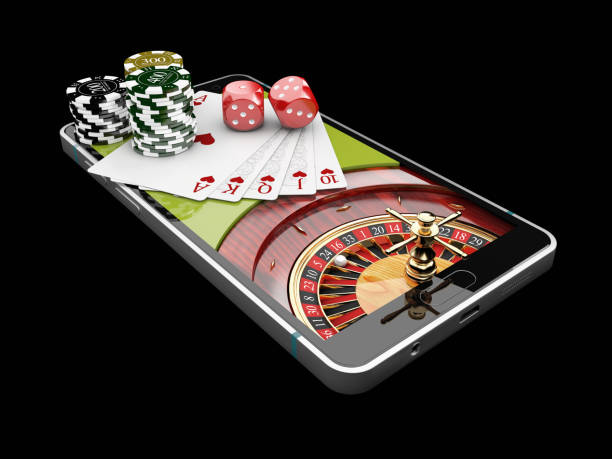
As societies evolved, so did gambling practices. The Romans introduced various betting games and established the first legal frameworks around gambling activities. This period saw the emergence of betting on gladiatorial contests and other events, which contributed to the rise of public spectacles. The Roman Empire’s expansion facilitated the spread of gambling practices throughout Europe, leading to a rich tapestry of local variations and cultural adaptations.
In Asia, gambling also flourished, particularly in China, where games involving chance and skill became widely popular. The invention of playing cards in the 9th century and the establishment of various games like Pai Gow not only provided entertainment but also contributed to the economy. These early practices indicate how gambling transitioned from a mere pastime to a significant social activity that influenced various aspects of life, from commerce to culture.
As gambling became more widespread, the need for regulation became apparent. The Middle Ages in Europe witnessed the first attempts to control gambling through local laws and regulations. While many viewed gambling as a vice, others recognized its potential economic benefits, leading to a duality in its perception. The establishment of gambling houses and lotteries reflected a growing acceptance, culminating in the legal recognition of these activities in many regions.
In the 19th century, the legalization of gambling in various forms became more prevalent, particularly with the rise of casinos in Europe and America. This period marked a significant shift as governments began to see gambling not just as a moral issue but also as a source of revenue. The introduction of regulated gambling facilitated the establishment of formal entities that could oversee operations, ensuring fairness and transparency for players.
However, the legal landscape surrounding gambling has been complex and often contentious. Throughout history, various moral and ethical debates have surrounded the industry, with laws fluctuating in response to public opinion and societal changes. The emergence of online gambling has further complicated this landscape, prompting governments worldwide to reconsider their regulations in light of new technologies and practices.
The 20th century ushered in a new era for gambling, characterized by the proliferation of casinos and the advent of electronic gaming machines. The establishment of Las Vegas as a gambling mecca symbolized the fusion of entertainment and gambling, attracting millions of visitors annually. Casinos became not just places for gambling but also entertainment hubs, featuring shows, dining, and luxurious accommodations. This transformation altered public perceptions, making gambling a mainstream leisure activity.
Internationally, gambling practices adapted to cultural contexts, leading to unique variations. Countries such as Macau and Singapore emerged as significant players in the global gambling industry, appealing to both locals and tourists. These regions adopted modern marketing strategies and innovative gaming experiences that melded traditional practices with contemporary technology. The rise of online gambling further expanded access, allowing players to engage in games from the comfort of their homes.
Despite the growth of gambling, issues related to addiction and social responsibility have surfaced. The industry has increasingly recognized the importance of promoting responsible gambling practices, implementing measures to protect vulnerable players. This has led to the development of various support systems, highlighting a growing awareness of the need to balance enjoyment with safety in gambling activities.
Today, gambling occupies a complex space in society, merging entertainment, economics, and social issues. The legalization of online gambling in numerous jurisdictions has revolutionized the industry, providing a platform for various games and betting options. This shift has raised important discussions about regulation, consumer protection, and the potential for gambling addiction. Governments are increasingly challenged to create frameworks that ensure the safety and welfare of players while maximizing the economic benefits of the industry.
Moreover, the integration of technology in gambling has opened up new avenues for engagement. Virtual reality and blockchain technology are making their way into the gambling world, enhancing the user experience and providing new opportunities for innovation. These advancements may redefine how players interact with gambling platforms, further blurring the lines between traditional and modern practices.
Social attitudes toward gambling are also evolving. As it becomes more accepted as a form of entertainment, conversations around its potential negative impacts are growing louder. This duality reflects society’s need to balance enjoyment with responsibility, leading to ongoing discussions about the ethical implications of gambling in contemporary culture.
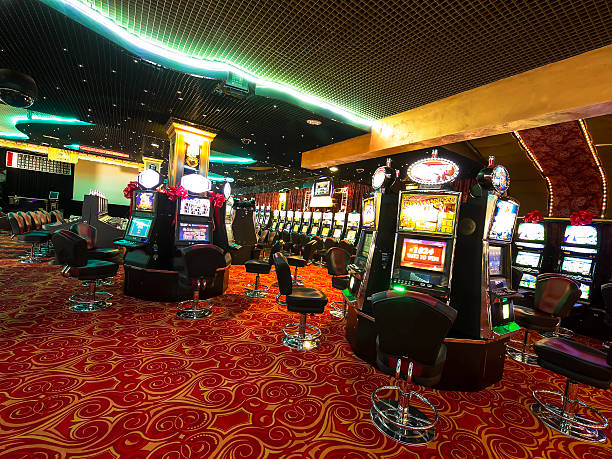
As the landscape of gambling continues to evolve, platforms like TCL99 offer Australian players a modern and seamless gaming experience. With over 3,200 slot games and 240 table games, it caters to diverse preferences, ensuring that players have a wide array of options at their fingertips. The platform’s commitment to responsible gaming highlights the importance of player welfare in today’s gambling environment.
TCL99 stands out by providing various local payment methods, including fast withdrawal processing, allowing players to enjoy their winnings with ease. The availability of live dealer options adds an authentic touch to the online experience, bridging the gap between traditional casino gaming and modern convenience. This thoughtful approach enhances user engagement, creating an inviting atmosphere for both new and seasoned players.
With ongoing promotions and generous bonuses for newcomers, TCL99 exemplifies how contemporary gambling platforms strive to provide not only entertainment but also a rewarding experience. As online gambling continues to grow, ensuring player satisfaction and responsible gaming will remain a priority for platforms like TCL99, reflecting the industry’s commitment to a balanced and enjoyable gambling environment.

POSTED BY
John Avery
2nd June 2026


