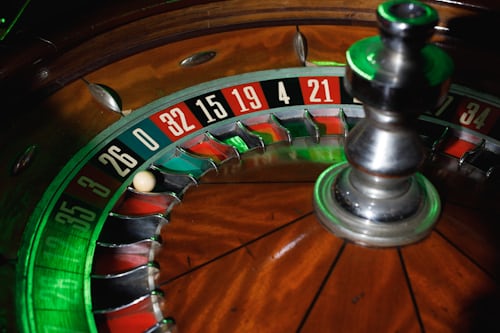
Luck is often celebrated as a fundamental aspect of gambling, especially within the vibrant atmosphere of casinos where the outcomes of games are typically unpredictable. Players frequently enter these establishments with the hope that luck might favor them, believing that good fortune can significantly enhance their chances of hitting a jackpot or winning big. In recent years, the rise of no kyc casinos has added another layer to this dynamic, allowing players to enjoy their favorite games without the usual verification processes. This belief in luck adds to the thrill of gambling, as players share stories of miraculous wins that seem to defy the odds, creating an aura of excitement and possibility. Conversely, tales of unfortunate streaks serve as reminders of the unpredictable nature of luck, reinforcing its perceived significance in the overall gaming experience.
Delving deeper into the psychology of gambling, the concept of luck can be viewed through various lenses, including cognitive biases and emotional responses. Many players develop personal rituals or charms, convinced that such practices will boost their luck at the tables or in front of slot machines. This phenomenon, often referred to as the “gambler’s fallacy,” highlights a common misconception where players believe that past results can influence future outcomes. For instance, an individual who has faced a series of losses may feel that a win is imminent, simply because they think that luck must eventually shift in their favor. Despite statistical evidence showing that each gaming round is independent, the belief in luck remains a powerful motivator for many players.
Moreover, the cultural dimensions of luck in gambling cannot be overlooked. Different societies have their own interpretations of what constitutes good luck, often tied to specific symbols, numbers, or colors. These beliefs significantly influence how players approach their gaming sessions, creating a rich tapestry of traditions and rituals. Additionally, casinos often capitalize on these cultural beliefs by crafting environments that heighten feelings of hope and chance, using bright lights, celebratory sounds, and engaging atmospheres to enhance the emotional experience of players. In essence, understanding luck in gambling is complex, as it encapsulates a blend of personal belief systems and the environmental influences inherent in casino settings.
While luck undeniably plays a vital role in the casino experience, it is essential to highlight the importance of probability and strategy in gambling. Casino games are meticulously designed with specific odds that dictate the likelihood of various outcomes. By understanding these probabilities, players can make informed decisions that may enhance their overall experience, even as luck remains a factor in individual results. For example, poker is a game that requires a combination of skill and luck, where players must assess their odds based on their hand and the community cards. This strategic element illustrates how informed decision-making can influence outcomes, showing that luck is just one piece of a larger puzzle.
In contrast, slot machines rely predominantly on luck, as their outcomes are determined by random number generators. However, players can still make strategic choices by selecting machines with higher payout percentages. Opting for a slot machine with a better return-to-player (RTP) percentage may not ensure immediate wins, but it can improve the overall chances of a rewarding experience over time. Thus, while luck may dictate the result of a single spin, players can enhance their chances of success through strategic decisions regarding which games to play.
The interaction between luck and strategy is also evident in table games like blackjack, where players can actively influence the game’s outcome through calculated gameplay. By making informed decisions—such as when to hit, stand, or double down—players can reduce the house edge and improve their overall odds of winning. In this context, players often discover that their experiences are shaped not solely by luck but also by their understanding of the game mechanics and the strategies they employ. Therefore, while luck remains a central component of the casino experience, those who engage deeply with the games can find ways to enhance their potential fortunes.
The emotional ramifications of luck within a casino setting are profound, influencing players’ immediate reactions as well as their overall enjoyment of the games. A winning streak can generate euphoric feelings of success and invincibility, prompting players to continue gambling in hopes of prolonging their good fortune. This emotional high often leads to increased bets and riskier behaviors, driven by the intoxicating nature of perceived luck. Conversely, a series of losses can evoke feelings of disappointment and frustration, which can significantly detract from the enjoyment of the gambling experience and may even lead to a desire to leave the casino.
Additionally, the psychological effects of luck extend beyond the gaming tables. Players frequently reflect on their gaming experiences, attributing their wins or losses to their personal luck or lack thereof. This self-analysis can influence future gambling behaviors, as individuals might gravitate towards specific games or strategies based on their past experiences with fortune. Furthermore, the casino environment—filled with cheers and celebratory sounds for winning players—can amplify the emotions associated with luck, fostering a sense of camaraderie among gamblers who share in the highs and lows of the experience.
Luck can also impact social dynamics within the casino. Players who experience good fortune often share their excitement with fellow gamblers, creating bonds and connections that enrich the overall atmosphere. This social interaction adds layers to the casino experience, as players celebrate wins together while offering support to those facing bad luck. Ultimately, the emotional impact of luck not only shapes individual experiences but also contributes to the collective atmosphere of joy, disappointment, and shared stories within the casino.
In the realm of gambling, many players engage in various superstitions and rituals, believing that these practices may enhance their luck during their casino experiences. These rituals can range from wearing specific clothing deemed “lucky” to performing particular actions before or during gameplay. For instance, some individuals might select a certain slot machine that has historically yielded wins or persist with specific games they feel are destined for success due to personal beliefs. Such behaviors stem from a desire to exert some degree of control over the inherent randomness of gambling.
Superstitions surrounding luck can vary widely across different cultures, revealing the diverse interpretations of fortune. For example, certain cultures may view the number seven as a symbol of good luck, while others ascribe significance to specific colors or objects. This cultural aspect adds an enriching dimension to the casino experience, as players encounter others with varying beliefs about luck and engage in discussions that highlight these differences. As superstitions proliferate, they weave a rich tapestry of tradition and personal narratives within the world of gambling.
Interestingly, casinos often cultivate an environment that capitalizes on these superstitions. From the layout of gaming floors to the sounds and visuals that accompany gameplay, every element is designed to evoke a sense of luck and potential. By enhancing the overall experience in alignment with players’ beliefs, casinos can encourage gamblers to spend more time and money. Thus, while the outcomes of games remain fundamentally random, the influence of superstitions and rituals significantly shapes players’ perceptions of those outcomes and their enjoyment of the overall experience.
In conclusion, the influence of luck on a casino experience is multifaceted, serving as both a psychological and emotional force that shapes players’ interactions with the games. While luck undoubtedly plays a crucial role in determining outcomes, the importance of strategy, probability, and individual beliefs cannot be understated. Gamblers who grasp the interplay between these elements can navigate the casino landscape more effectively, enhancing both their enjoyment and their chances of success.
Furthermore, the social and cultural dynamics surrounding luck contribute to a vibrant and engaging atmosphere within casinos. As players share their experiences and rituals, the collective belief in luck fosters a sense of community and excitement, heightening the allure of gambling. In this context, participants find themselves not only pursuing monetary gains but also engaging in a shared journey filled with hope, disappointment, and celebration.
By understanding how luck influences the casino experience, players can approach gambling with a balanced perspective—embracing the thrill of chance while also applying strategic thinking where relevant. Ultimately, the casino serves as a dynamic stage where luck and skill intersect, creating a unique experience that continues to captivate players worldwide.

POSTED BY
John Avery
3rd September 2026